How to Build the Perfect Kosher Culinary Itinerary in Italy
Learn how to create a luxury kosher culinary itinerary in Italy with private chefs, regional cuisine, wine experiences, villas, markets, and cultural tours.
Italy Should Be Experienced Through Its Food
Italy is not one culinary destination.
It is a collection of regional food cultures.
Tuscany has its own traditions.
Northern Italy offers another style of cuisine.
The Mediterranean coast introduces different ingredients and flavors.
Rome has its own culinary identity.
That is why a successful luxury kosher culinary tour in Italy should not simply move travelers from one famous attraction to another.
The food should help shape the itinerary.
At KCT, culinary experiences are integrated into private journeys rather than treated as an isolated service. The company’s current positioning emphasizes local chefs, fresh ingredients, gourmet meals, and customized travel planning.
Step One: Decide What Kind of Culinary Traveler You Are
Before building the itinerary, decide what you want the food experience to accomplish.
Are you interested in:
- Fine dining?
- Cooking?
- Wine?
- Markets?
- Italian history?
- Regional cuisine?
- Family-friendly food experiences?
- Farm-to-table experiences?
You don’t have to choose only one.
A well-designed itinerary can combine several.
Step Two: Choose the Right Italian Regions
The destination should match your culinary interests.
Tuscany
Ideal for:
- Vineyards
- Olive oil
- Countryside cuisine
- Cooking classes
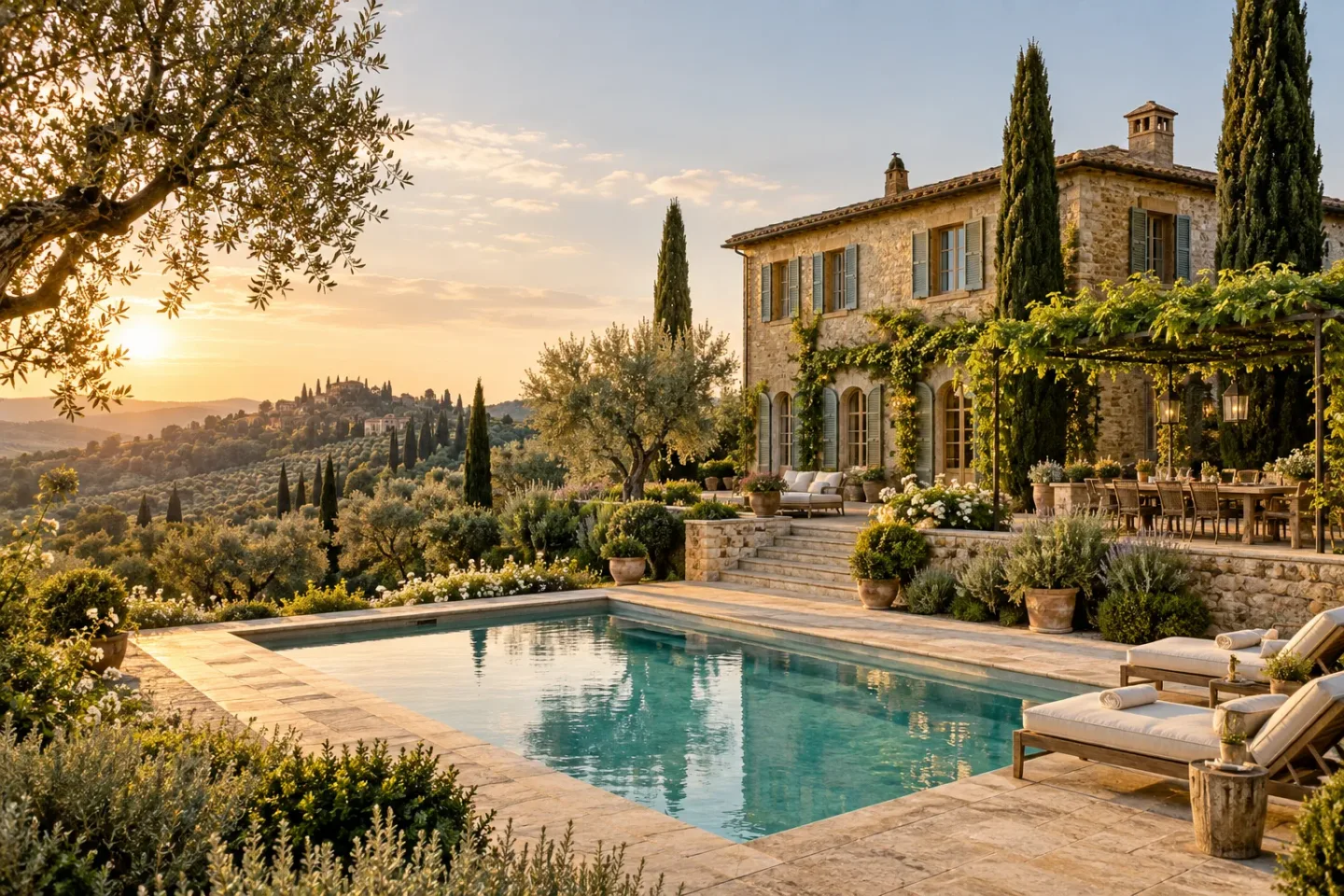
- Luxury villas
- Farm visits
Tuscany is particularly well suited to private culinary travel because the food, landscape, and accommodation can all become part of the experience.
Rome
Ideal for:
- History
- Jewish heritage
- Art
- Urban food culture
- Museums
Northern Italy
Ideal for:
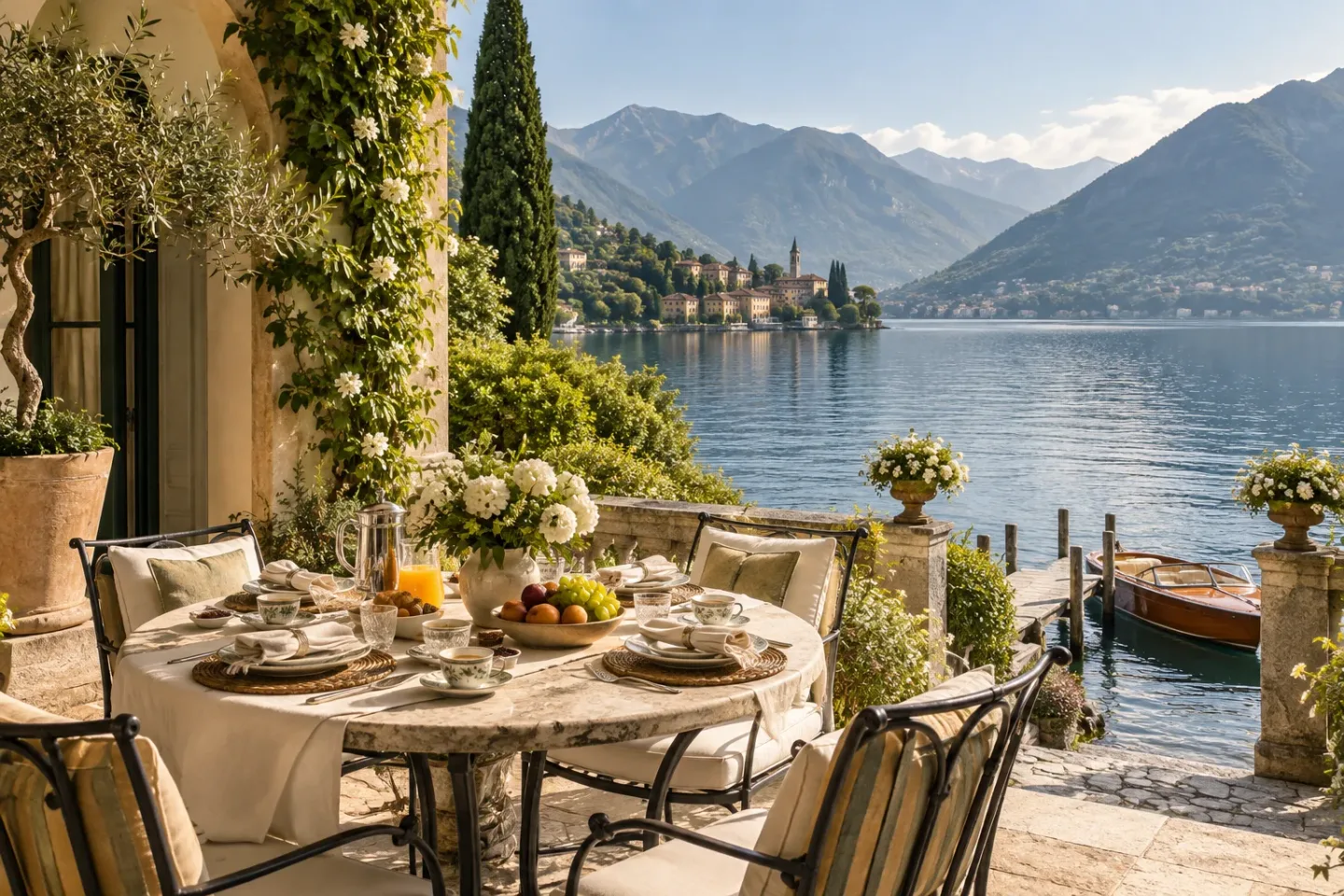
- Lakes
- Alpine landscapes
- Refined regional cuisine
- Luxury city and lakeside stays
Amalfi Coast
Ideal for:
- Coastal scenery
- Mediterranean flavors
- Romantic dining
- Private boat experiences
The best itinerary may combine two or more regions rather than attempting to see the entire country.
Step Three: Make the Private Chef Part of the Journey
A private kosher chef should not simply appear at dinner.
The chef can become part of the culinary story.
For example:
Day 1: Chef introduction and welcome dinner.
Day 2: Market visit and ingredient selection.
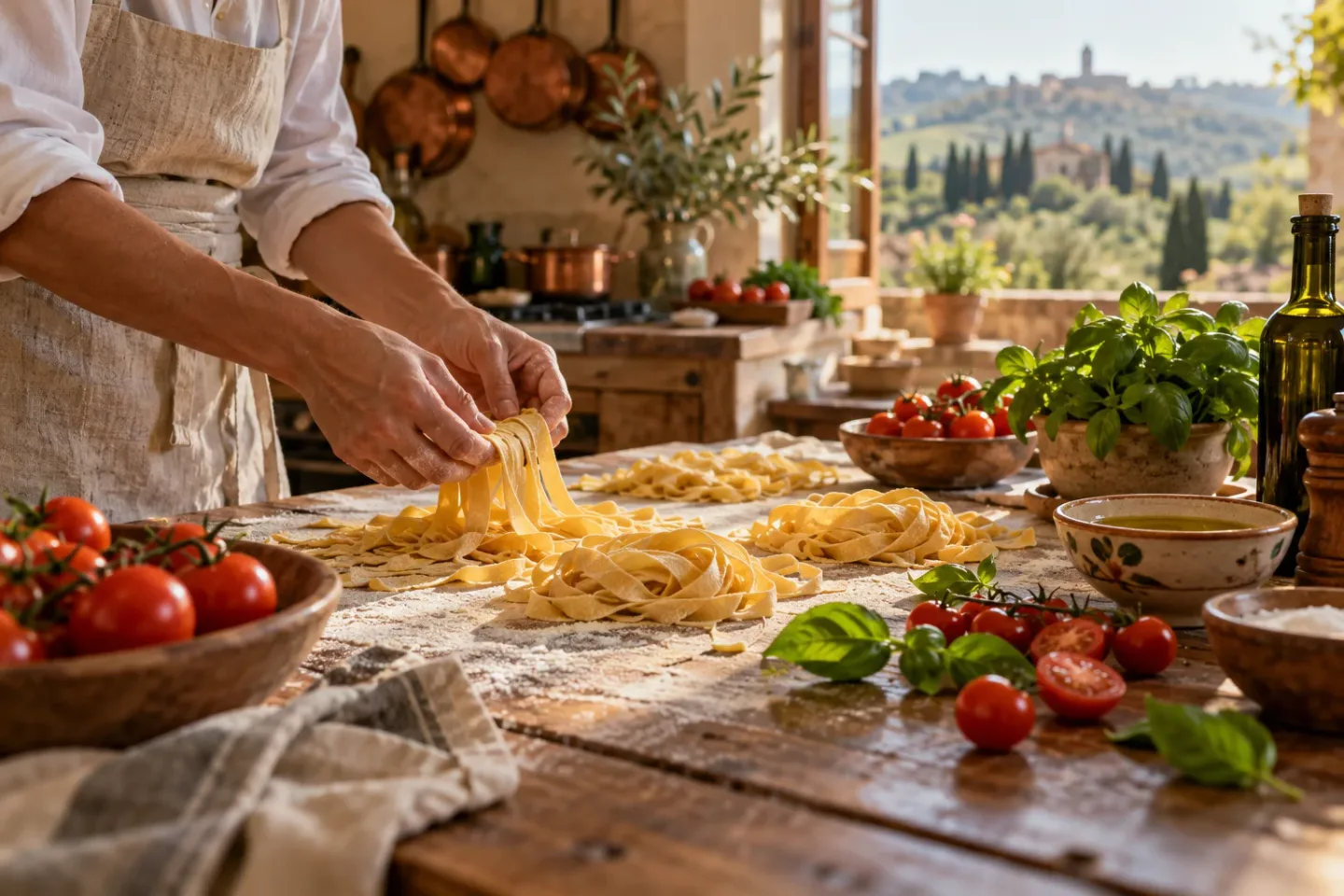
Day 3: Pasta-making workshop.
Day 4: Vineyard excursion and private dinner.
Day 5: Regional tasting menu.
Day 6: Family cooking experience.
This approach creates continuity throughout the trip.
Step Four: Include Market Experiences
Markets provide one of the best ways to understand Italian food culture.
Instead of simply seeing ingredients on a plate, travelers can learn where they come from.
A private market experience might introduce guests to:
- Seasonal vegetables
- Fresh herbs
- Fruits
- Artisan breads
- Olive oils
- Regional specialties
Your chef can explain which ingredients will work best for the evening menu.
KCT’s approach to Italian fine dining emphasizes local ingredients and market-to-table experiences as part of the broader culinary journey.
Step Five: Add Hands-On Cooking
Watching someone cook is enjoyable.
Making the food yourself is memorable.
A private cooking class can include:
- Handmade pasta
- Pizza
- Focaccia
- Italian desserts
- Sauces
- Seasonal dishes
Families particularly enjoy these experiences because children can participate.
The finished meal can then become dinner.
Step Six: Don’t Forget Wine
For travelers who enjoy wine, Italy offers extraordinary opportunities.
A culinary itinerary can include private vineyard visits, tastings, and food pairings where appropriate.
The key is to make the wine experience part of the overall journey rather than simply adding a tasting to the schedule.
For travelers interested specifically in regional wine destinations, see our article on Best Italian Wine Regions for Kosher Culinary Travelers.
Step Seven: Balance Food with Culture
A culinary vacation shouldn’t mean eating all day.
Food becomes more meaningful when combined with culture.
A day might look like:
Morning: Historic walking tour.
Lunch: Chef-prepared picnic.
Afternoon: Art or architecture.
Late afternoon: Relax at the villa.
Evening: Private tasting menu.
This balance prevents the itinerary from becoming exhausting.
Step Eight: Leave Time for the Villa
One of the most common mistakes in luxury travel planning is filling every available hour.
If you’ve chosen an exceptional villa, enjoy it.
Spend the afternoon beside the pool.
Have lunch outdoors.
Take a walk through the grounds.
Read.
Relax.
Then enjoy dinner prepared by your private chef.
The accommodation should not simply be where you sleep between excursions.
Step Nine: Plan Around the Family
If you’re traveling with children, build culinary experiences around them.
A child-friendly itinerary might include:
- Pizza making
- Gelato-style dessert workshops
- Market visits
- Farm experiences
- Outdoor picnics
- Swimming
- Short cultural tours
Adults can enjoy wine or more sophisticated tasting experiences while children participate in appropriate activities.
This is one of the advantages of private travel: the experience can be adapted to the group.
Step Ten: Consider Shabbat from the Beginning
For kosher travelers observing Shabbat, the weekend should be incorporated into the itinerary during the planning stage.
Rather than treating Shabbat as a disruption, it can become one of the highlights.
A beautiful villa can provide the setting for:
- Candle lighting
- Family dinner
- Shabbat meals
- Rest
- Conversation
- Walking
- Family time
KCT’s current service model specifically incorporates Shabbat and Yom Tov planning into private journeys when required.
Sample Seven-Day Culinary Itinerary
Day 1 — Arrival in Tuscany
Check into your private villa.
Meet your culinary team.
Enjoy a welcome dinner featuring regional-inspired kosher cuisine.
Day 2 — Tuscan Market & Cooking
Visit a local market.
Select seasonal ingredients.
Return to the villa for a private pasta workshop.
Enjoy dinner featuring the dishes you helped prepare.
Day 3 — Florence
Explore Florence with a private guide.
Visit major cultural landmarks.
Return to the villa for an elegant dinner.
Day 4 — Vineyard Experience
Travel into the countryside.
Enjoy a private vineyard experience and kosher wine tasting where available.
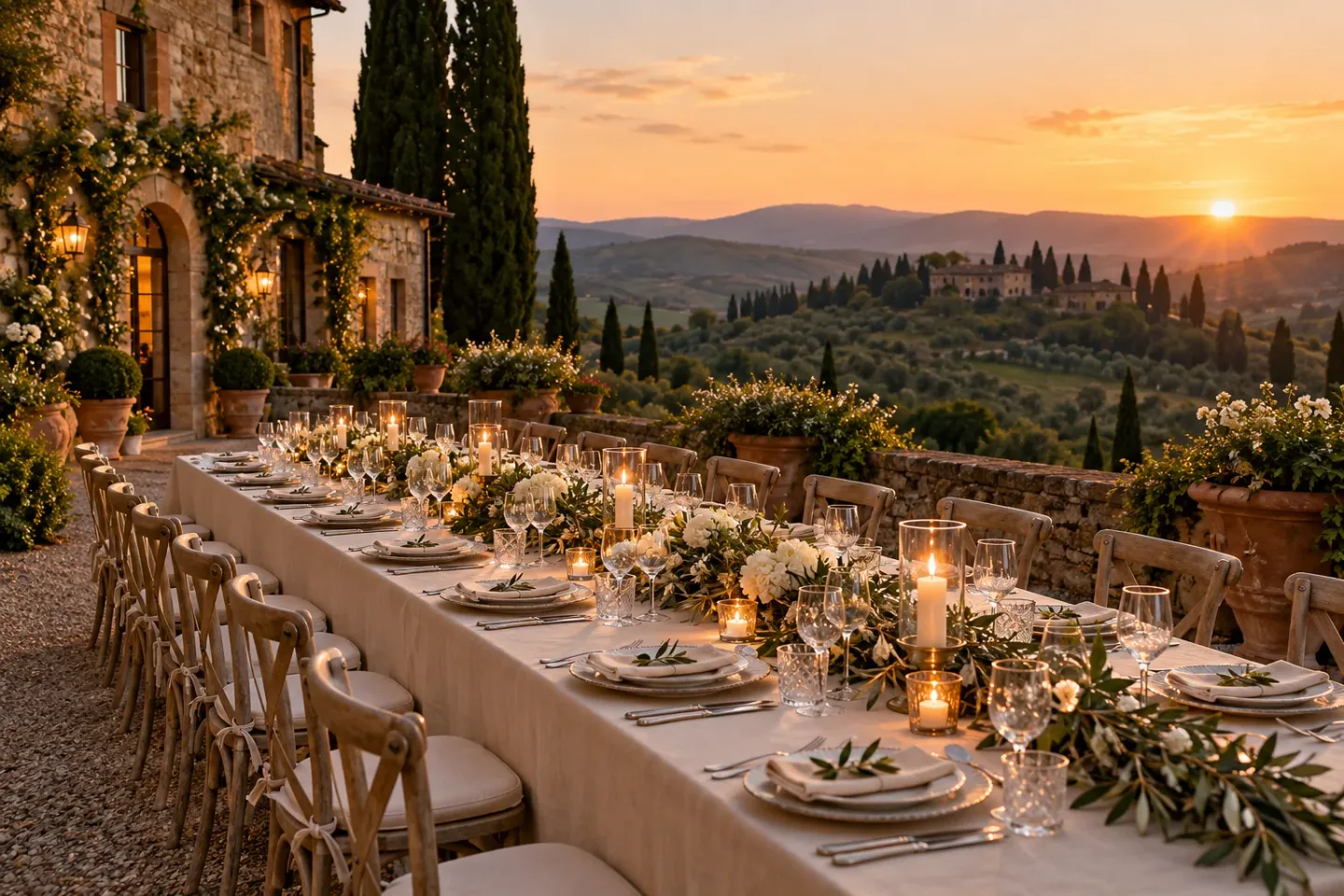
Return for dinner overlooking the landscape.
Day 5 — Slow Villa Day
Breakfast on the terrace.
Pool and relaxation.
Afternoon cooking class.
Private multi-course dinner.
Day 6 — Siena & Countryside
Explore Siena and nearby villages.
Enjoy a chef-prepared picnic.
Return to the villa in the evening.
Day 7 — Final Culinary Celebration
Relaxed breakfast.
Free time.
Farewell dinner featuring the family’s favorite dishes from the journey.
Why Private Travel Changes the Experience
A fixed tour cannot easily accommodate every family’s preferences.
A private itinerary can.
If the family loves cooking, add another workshop.
If everyone wants more relaxation, remove an excursion.
If the children are tired, change the schedule.
If the group discovers a new interest, build it into the next day.
That flexibility is one of the defining characteristics of a private kosher Italy travel experience.
The Culinary Journey Should Feel Effortless
Guests shouldn’t have to coordinate:
- The villa
- Chef
- Kitchen
- Ingredients
- Drivers
- Guides
- Activities
- Wine
- Shabbat
- Dining schedules
These elements should work together behind the scenes.
KCT’s current model is designed around precisely this type of coordination, with one team responsible for the property, culinary operation, itinerary, and on-location management.
Conclusion
The perfect luxury kosher culinary tour in Italy isn’t necessarily the one with the most activities.
It is the one where every element works together.
The right villa.
The right chef.
The right destinations.
The right pace.
The right food.
The right experiences.
By combining regional cuisine, private dining, market visits, cooking classes, wine experiences, cultural exploration, and time to relax, travelers can experience Italy as more than a sightseeing destination.
They experience it through its table, its traditions, and its people.
Frequently Asked Questions
How long should a kosher culinary vacation in Italy be?
A week allows enough time to explore one region deeply. Longer trips can combine Tuscany with destinations such as Rome, the Amalfi Coast, or northern Italy.
Can a private chef prepare regional Italian dishes?
Yes. Menus can be inspired by local culinary traditions while being adapted to kosher requirements and individual preferences.
Can children participate in culinary tours?
Yes. Cooking classes, market visits, pizza-making, and family-friendly food experiences can be incorporated into the itinerary.
Can wine experiences be included?
Yes. Depending on the itinerary and available arrangements, wine tastings and vineyard experiences can be included as part of a private culinary journey.
Can the itinerary include Shabbat?
Yes. Shabbat can be incorporated into the itinerary from the beginning, including meals, accommodation, walking arrangements, and appropriate scheduling.