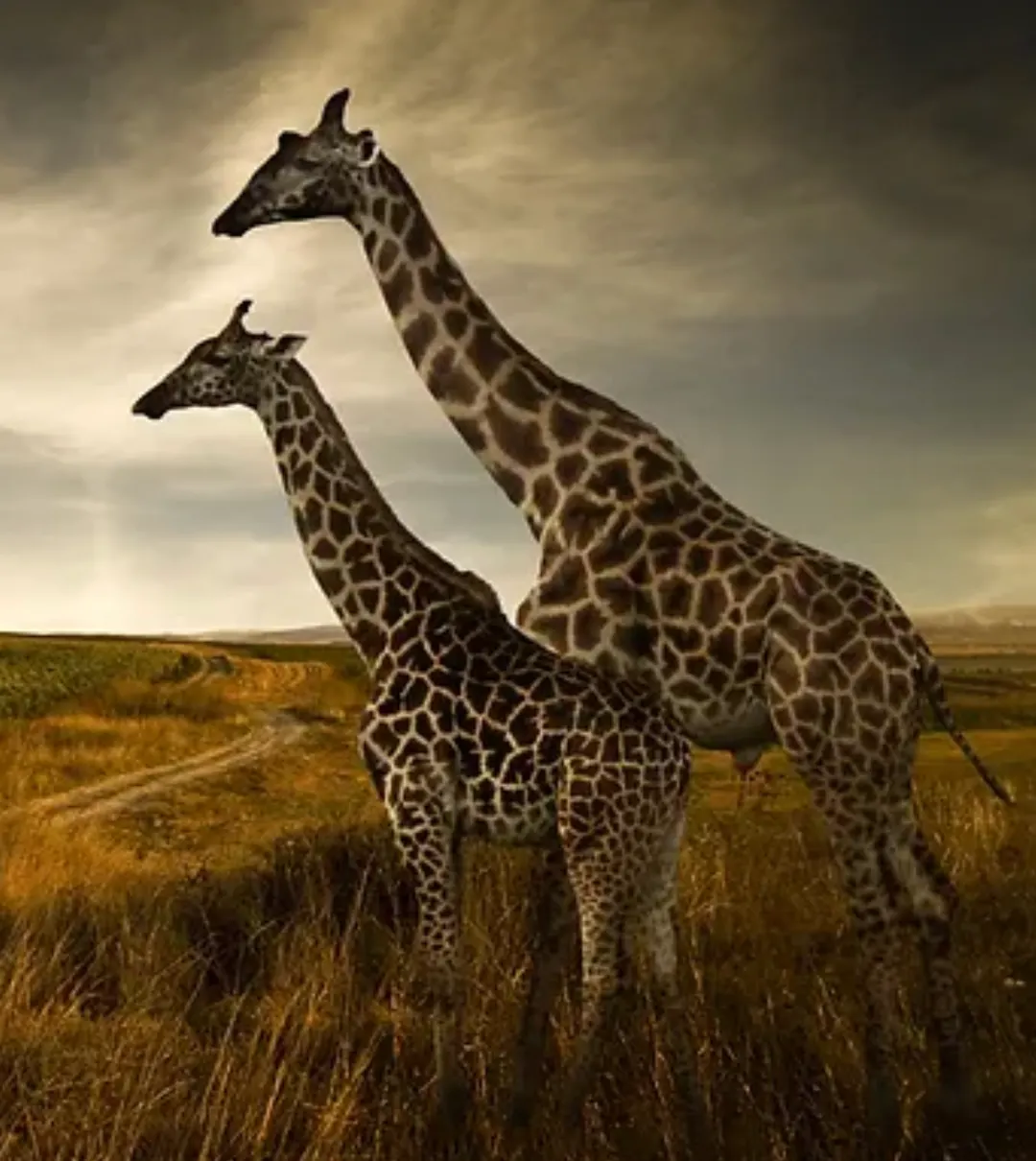
Africa, produced privately
A private safari, produced with a full kosher kitchen inside the camp, not a compromise built around what the lodge already has.
Why here
A safari is the single hardest kosher operation we run, and also one of the most rewarding. The camps are remote, the kitchens were never built for it, and the nearest kosher supplier is often a continent away. None of that is a reason not to go; it is the reason to produce it properly.
We build the kitchen the camp does not have: dedicated equipment flown or driven in, a chef and mashgiach in residence for the stay, and a provisioning plan that treats the bush as the logistics problem it actually is, weeks before the family arrives.
What guests remember is not the logistics. It is the vehicle at first light, the fire at night, and a Shabbat table set in the middle of it, exactly as it would be at home.
Where, within it
The regions worth choosing between.
The Sabi Sand & Kruger, South Africa
The deepest private-reserve game viewing in Africa, and the most workable kosher supply chain on the continent, through Johannesburg and Cape Town.
Cape Town & the Winelands
A properly kosher city, a serious Jewish community, and the Cape winelands, the natural bookend to a safari rather than an afterthought.
The Maasai Mara, Kenya
The wildebeest migration in season, and camps remote enough that every kilogram of kosher provisioning is planned before departure, not improvised on arrival.
The Serengeti & Ngorongoro, Tanzania
Extraordinary density of game, longer supply lines than Kenya, and camps we choose partly for how far they are from the nearest airstrip.
Victoria Falls & Botswana
The Zambezi and the Okavango Delta, for families extending a safari by water rather than only by vehicle.
When it's actually good
June to October
Dry season across Southern and East Africa. The best game viewing, and the season we recommend for a first safari.
July to September
The wildebeest migration in the Mara and northern Serengeti, the single most requested window, booked far in advance.
December to February
Green season in the south: fewer guests, newborn animals, lower rates, and excellent birding.
Sukkot
Workable in South Africa with the right property; the bush itself does most of the work of a sukkah's open roof.
How it's produced
The practical shape of it.
Properties
- Private luxury tented camps, taken as a full buyout
- Owner-run lodges with a private kitchen that can be dedicated for the stay
- City hotels and private villas in Cape Town for the bookend nights
- Mobile camps for families who want to move between reserves
- Properties chosen as much for vehicle-to-camp kitchen access as for the view
Culinary
- A dedicated kosher kitchen built inside the camp, separate from the main lodge kitchen
- Provisioning consolidated through Johannesburg or Nairobi and driven or flown to camp
- Bush breakfasts and boma dinners produced within the kosher standard, not adapted from a general menu
- Sundowners and fire-side evenings kept exactly as they would be for any other guest
- Menus built around what can actually reach a remote airstrip, not what looks good on paper
Kosher setup & provisioning
- Kitchen survey and a dedicated cooking and storage space agreed before the camp is contracted
- Meat, wine and dry goods consolidated in Johannesburg, Cape Town or Nairobi and shipped ahead
- Refrigeration and power capacity checked at survey, not assumed; this is the single most common failure point
- Mashgiach traveling with the family for the full safari
- A written kashrut standard agreed before the first order is placed
Shabbat, Yom Tov & Jewish life
- Shabbat produced at camp: game drives paused, meals and candle lighting planned around the light
- Cape Town's community and its historic synagogues, for families extending the trip
- Minyan formed from the group; introductions to the Cape Town community where useful
Getting there
- Gateways: Johannesburg, Cape Town, Nairobi, Kilimanjaro
- Light-aircraft transfers between camps are routine and built into the itinerary
- Private aviation available for the international legs and for camp-to-camp transfers
- Provisioning lead time is the binding constraint; plan on it shaping the calendar, not the reverse
Journey styles in Africa
Planning notes
Planning a private safari
A safari is one of the hardest kosher operations we run, and one of the most rewarding. The camps are remote and the kitchens were never built for it, so we build the kitchen the camp does not have: dedicated equipment brought in, a chef and mashgiach in residence for the stay, and a provisioning plan made weeks before the family arrives. The destinations on this page range from the Sabi Sand and Kruger to Cape Town and the Winelands, the Maasai Mara, the Serengeti and Victoria Falls.
The regions we most often discuss are The Sabi Sand & Kruger, South Africa, Cape Town & the Winelands, The Maasai Mara, Kenya, The Serengeti & Ngorongoro, Tanzania, Victoria Falls & Botswana, June to October, July to September, December to February and Sukkot.
See when to go and the culinary experience for how kitchens are built in remote places.
Related
Other destinations
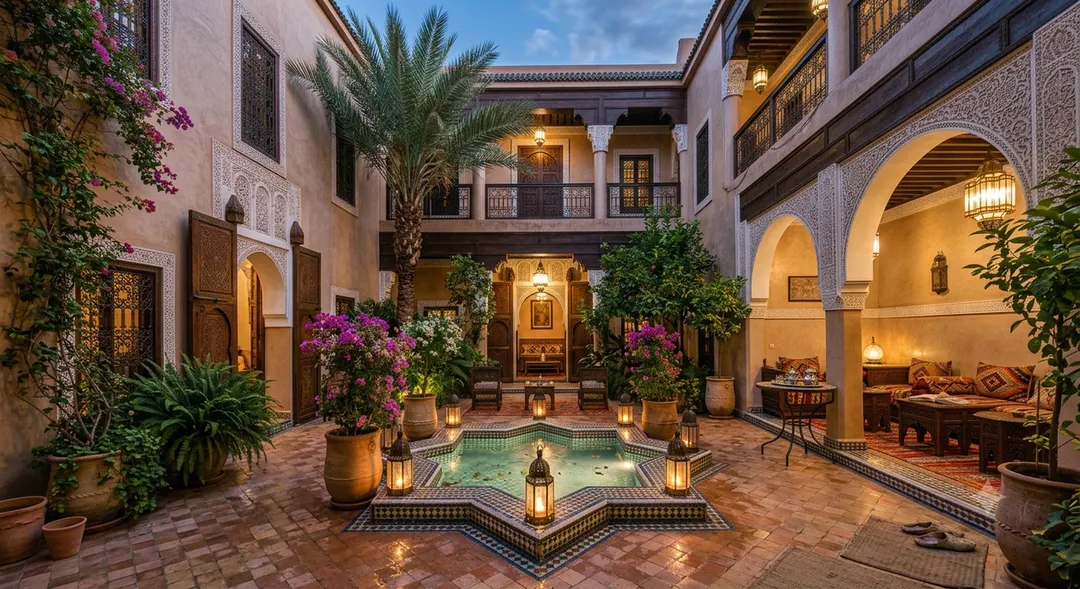 DestinationMoroccoJewish history, cuisine, riads, villas, desert experiences and private cultural journeys.Read more
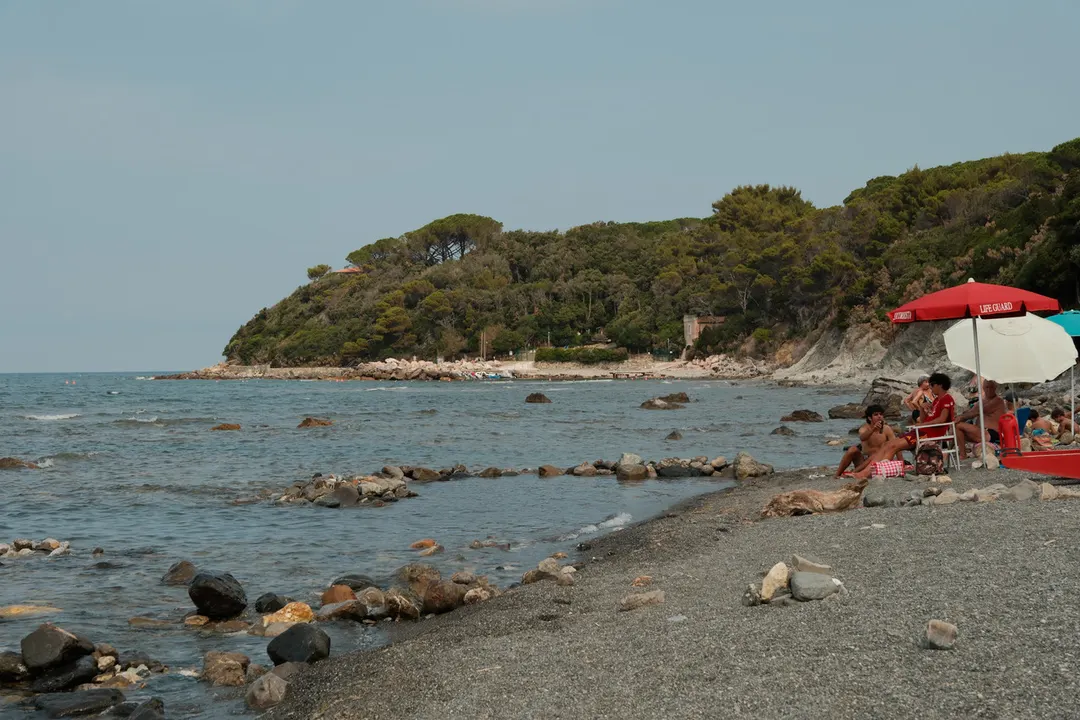 DestinationThe CaribbeanPrivate island villas, beachfront retreats, yachts and relaxed family hospitality.Read more
 DestinationThe United StatesPrivate ranches, mountain lodges, lake houses, coastal estates, yacht programs and family retreats.Read more
Begin a conversation
Tell Avicam where you would like to go and who is traveling. We discuss honestly whether KCT is the right team, and how an engagement would be structured. We reply as soon as we can.